At first glance, you might think this strange-looking organism slipped through a fracture in space-time, perhaps via an Einstein-Rose bridge hidden beneath the Southern Ocean. It’s long, pale stalk rises from the sediment, topped with a dramatic, flower-like crown that looks uncannily like it could unfurl into a ring of teeth, like that of the ‘Demogorgon’ from Stranger Things.
But there’s no Upside Down here. No Hawkins portal. No interdimensional breach.
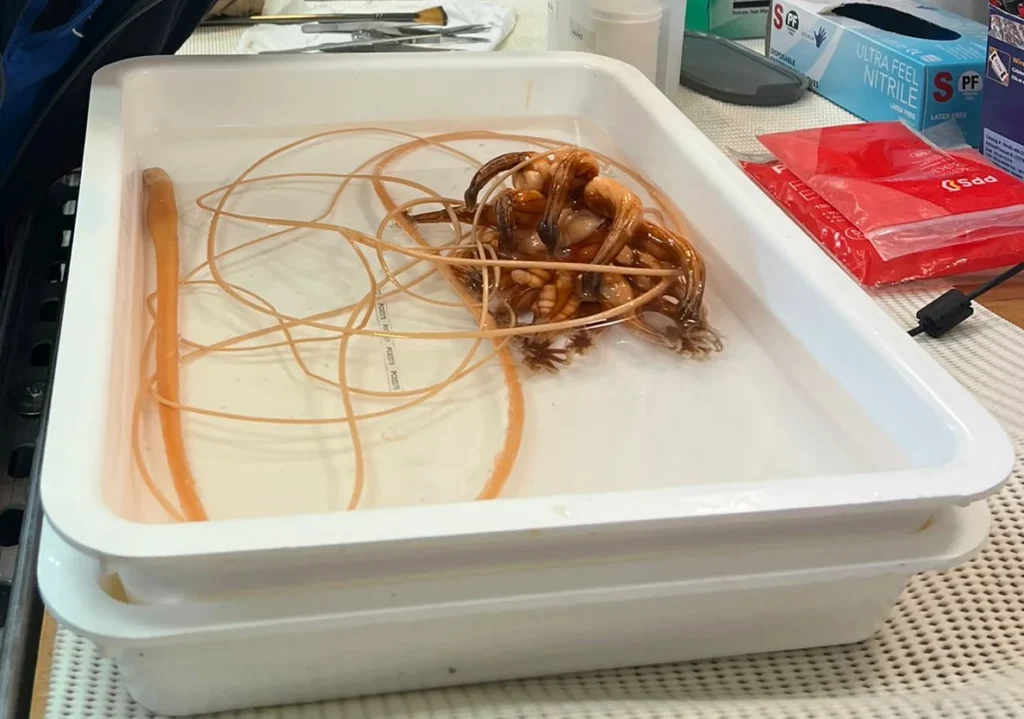
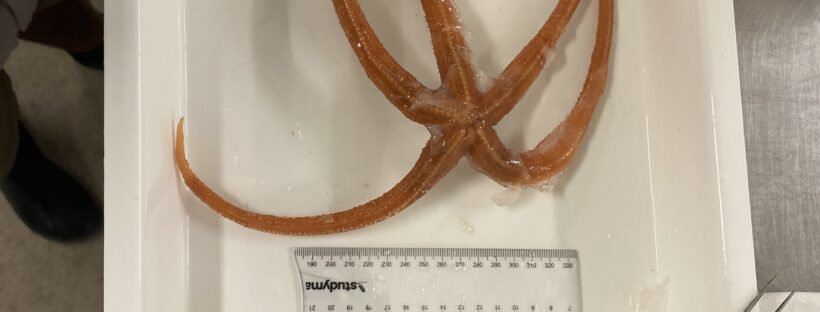
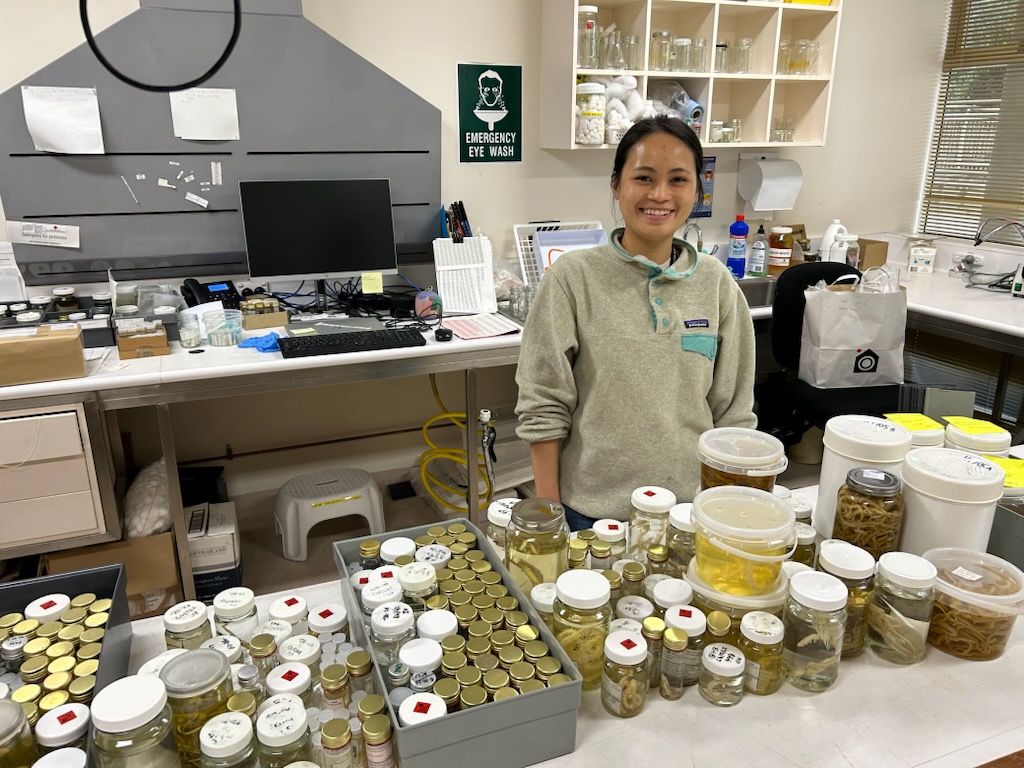
The “Demogorgon” – an Umbellula sp. sitting in sampling tray waiting to be processed for DNA sampling and preservation for museum storage. Credit: Kat Prata
Instead, we are two ecology teams from James Cook University and Securing Antarctica’s Environmental Future (JCU/SAEF) and the Institute of Marine and Antarctic Studies at University of Tasmania (IMAS/UTAS) using deep-towed cameras and small trawling sleds searching for the curiosities that live on the deep Antarctic seafloor. What we actually caught was a deep-sea soft coral from the genus Umbellula. Unlike the reef-building corals most people picture, compact, stony colonies in tropical shallows, these Umbellula are soft-bodied, deep-water specialists built for the freezing Antarctic seafloor. They anchor into soft sediment using a bulbous base (a peduncle) and extend a long flexible stalk upward into the water column swaying with the current. At the top of the stalk, which can be up to 2 metres tall, sit many more stalks each with a mouth and tentacles (called polyps) that are arranged in a crown or umbrella shape, hence the name Umbellula (from Latin umbella, meaning little shade or parasol). From a distance they look like flowers. Out of water, they look… considerably more unsettling.
What makes capturing a Demogorgon even better is that we see them all the time on CSIRO research vessel (RV) Investigator’s deep towed camera system. Sarah Jessop (PhD student) and Dr Jan Jansen from IMAS/UTAS the biodiversity team use this camera system to survey the deep seafloor biodiversity – viewing most areas for the first time. They use these images to map circum-Antarctic species distribution and to inform policy and conservation in Antarctica. Exploring new regions of seafloor reveals information about the environmental factors that are shaping these communities. Ocean currents distribute food, while sediment properties dictate what animals may settle there. Some biota (living organisms) are limited to certain depth ranges such as the giant octopus (Megaleledone setebos) that are only found on the Antarctic continental shelf. Understanding these complex relationships between life and environmental processes is key to conserving biodiversity and safeguarding a stable and resilient ecosystem as we move into an uncertain future with a changing climate.
These camera deployments produce a sense of awe and excitement from many on RV Investigator, as the fibreoptic cable allows us to have a real-time view of the seafloor directly below us. During these deployments, the operations room is a hive of focussed anticipation, as the highly skilled technical team from CSIRO and the ship’s crew guide the camera in a 3 kilometre long transect just 2 metres from the seafloor. Just next door, the scent of popcorn wafts from the ship’s science office as excited researchers watch this seafloor cinema of fascinating animals found deep below.
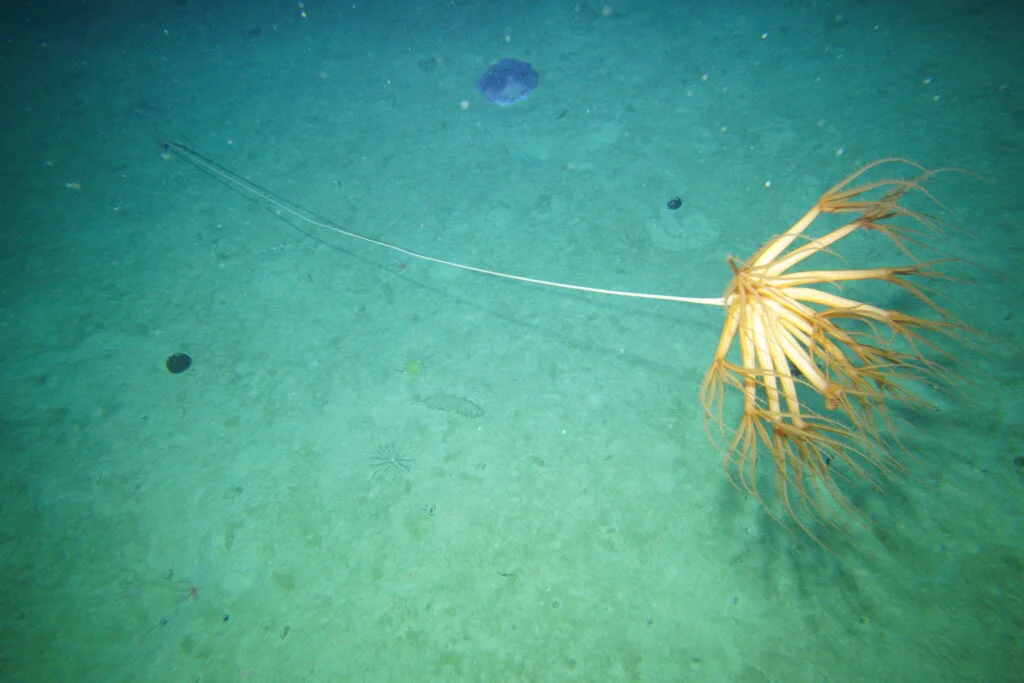
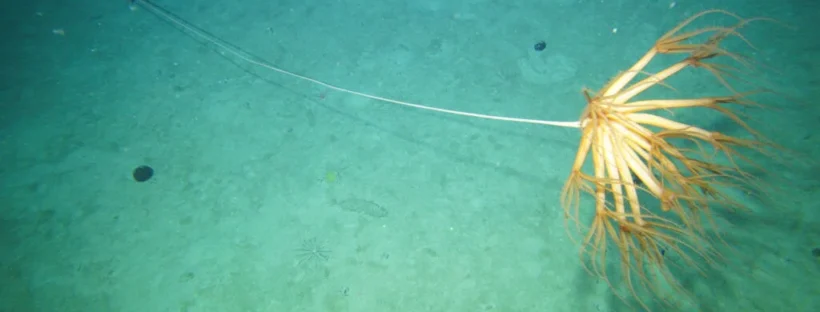
Umbellula sp. captured on the RV Investigator deep-towed camera system getting pulled by a current on the Antarctic seafloor in the Dibble glacier region. An octopus in the background. Credit: CSIRO
Sponges, soft corals, and brittle stars create a vivid seafloor mosaic and striking pink hydrocorals stand out amongst the yellows and oranges of their surrounds. Brittle stars are scattered in the mud and, with a keen eye (and a bit of luck) the less-than palm sized octopods can be spotted. We discover crinoids (feather stars) clinging to the sediment at an iceberg scour site, where an iceberg has dragged along the seafloor, reminding us of the harshness of the environment these creatures have evolved to survive in.
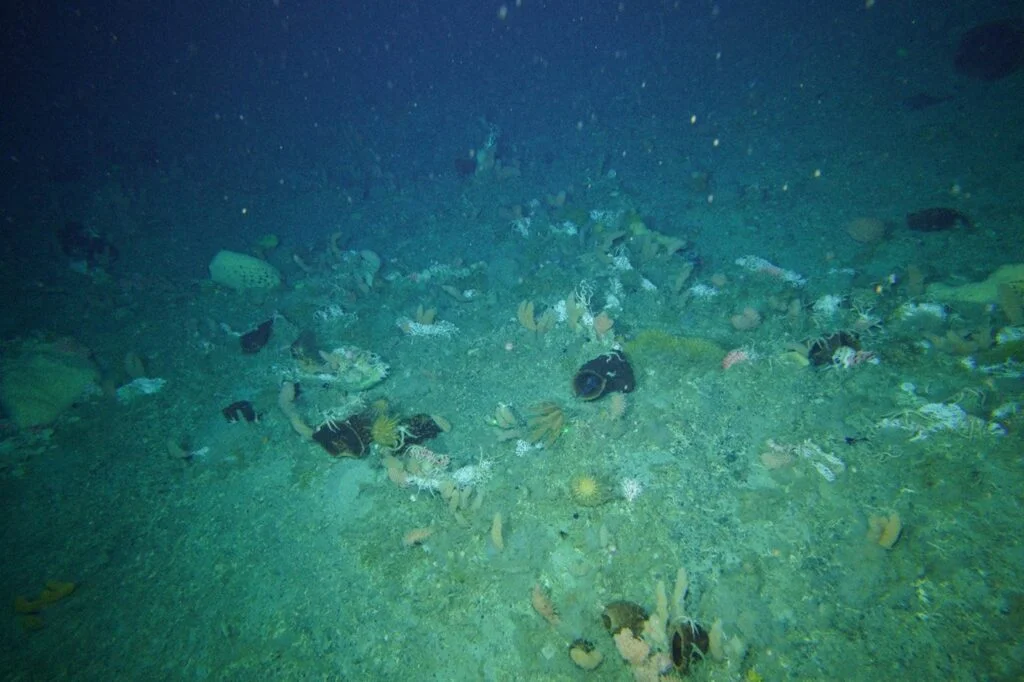
A biodiverse Antarctic seafloor image Dibble Region. There are dark coloured sponges, orange bottle brush like soft coral, bright pink hydrocorals. Crinoids and sea urchins also hide amongst the other animals. Credit: CSIRO.
As we survey the seafloor, the striking shape of an Umbellula appears, rousing collective gasps of wonder as the long stalk and flower-like head move through our field of view. At up to 2 metres tall, these creatures often tower above the surrounding life on the seafloor. We later discover just how strange these marine invertebrates look up close, as we go from admiring the flower like organism, we see from the camera to something that resembles the Demogorgon when out of the water.
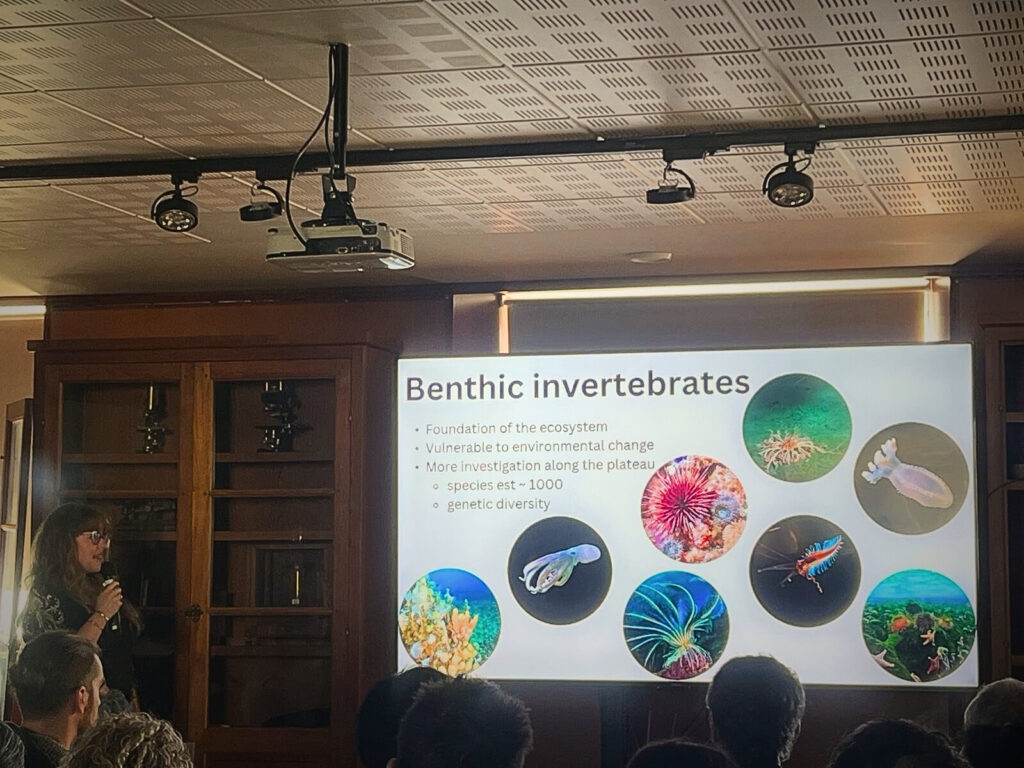
After the deep towed camera movie, Professor Jan Strugnell’s team, including Dr Kat Prata and Dr Sally Lau, deployed a small trawl called a sled (named ‘Sled Zeplin’ by the CSIRO team) across a small 600 metre transect. We recover our Demogorgons (Umbellula sp.) along with brittle stars, octopuses, urchins, scale worms and sea stars – those organisms living on the seafloor (benthic). Benthic animal collection voyages to East Antarctica are rare, every specimen is invaluable. Each animal we bring aboard is a data point in a region that remains vastly under-sampled.
You may have heard of deoxyribonucleic acid (DNA). It is the molecule that carries the unique genetic instructions that tell every living organism how to grow, function and survive. The JCU team take small tissue samples from each organism for DNA analysis. That tiny piece of tissue allows them to confirm species identity, estimate historical changes in population size and infer patterns of connectivity across the Southern Ocean. The remainder of the specimen is preserved as a voucher and deposited into museum collections for long-term curation. In other words, our Demogorgon doesn’t just become a one-time story, it becomes a permanent scientific record and representative for its population or species. In a region where sampling opportunities may be separated by years or decades, each individual is more than a catch. It’s a time capsule of Antarctic evolutionary history.
The Antarctic deep doesn’t need science fiction to be strange. Evolution, in different environments, produces forms that seem alien to us, radial symmetry, translucent tissues and so many mouths. The genius of the show Stranger Things taps into something real, the fact that the Earth already harbours things that look like they belong on some other world. Sometimes the Upside Down is just down and as we bring them up from the deep, we realise the “monsters” laying in our sampling tray are actually beautifully adapted Antarctic soft corals that quietly do their job on the seafloor filtering the particles carried by currents and depositing what they don’t need into the nutrient-rich mud keeping the ecosystem and nutrient cycling systems going. No portal required.
By Kat Prata, Securing Antarctica’s Environment Future (SAEF) and James Cook University (JCU), Sarah Jessop, Institute for Marine and Antarctic Studies (IMAS) and University of Tasmania (UTAS) and Joline Lalime, Sea2SchoolAU
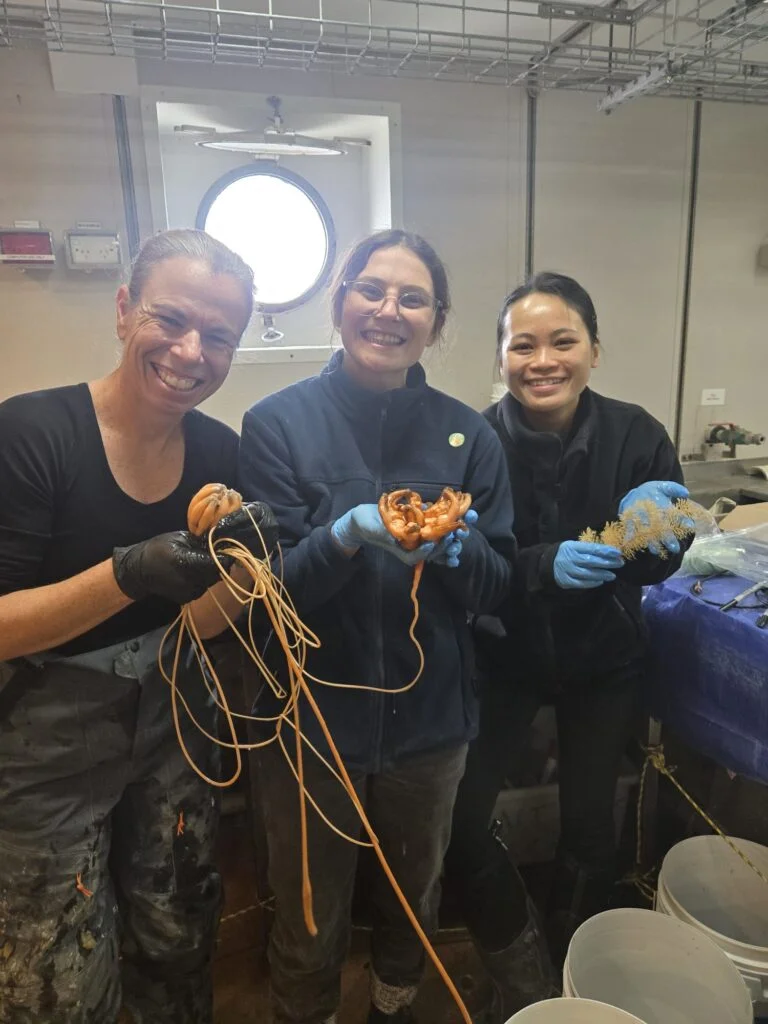
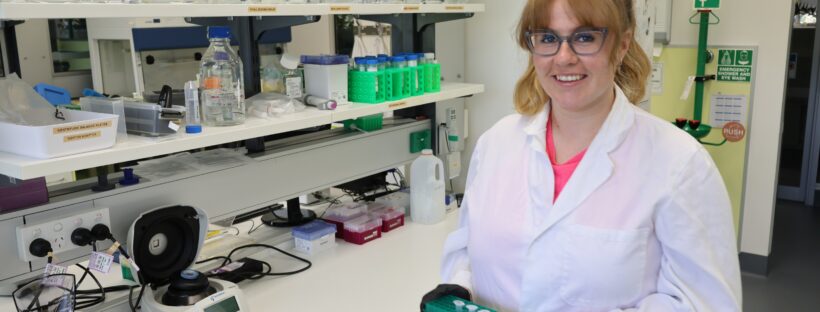
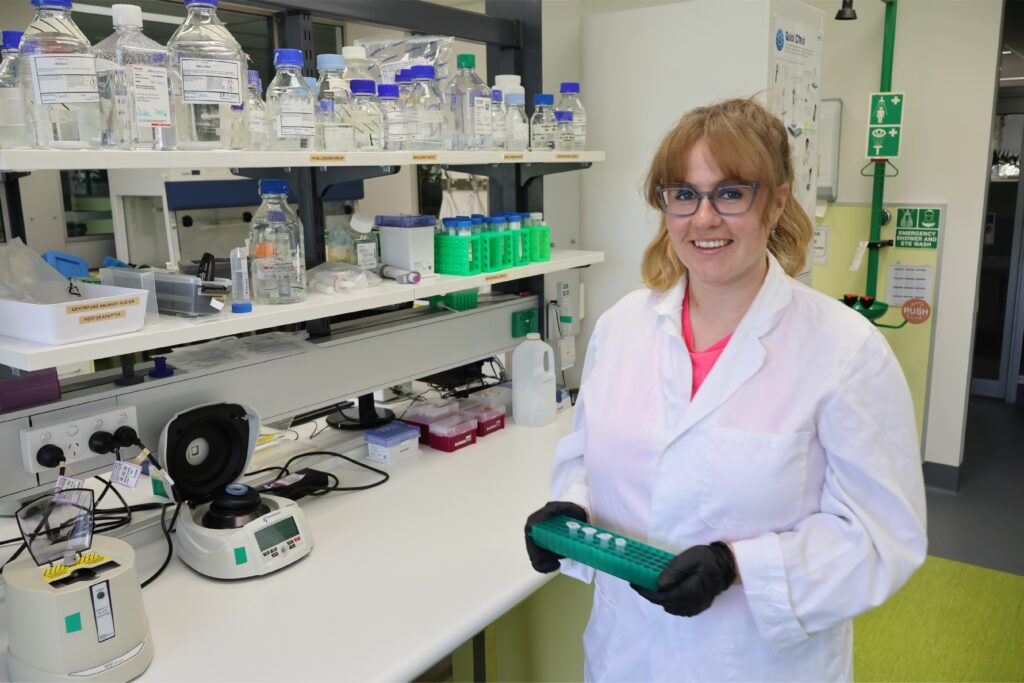
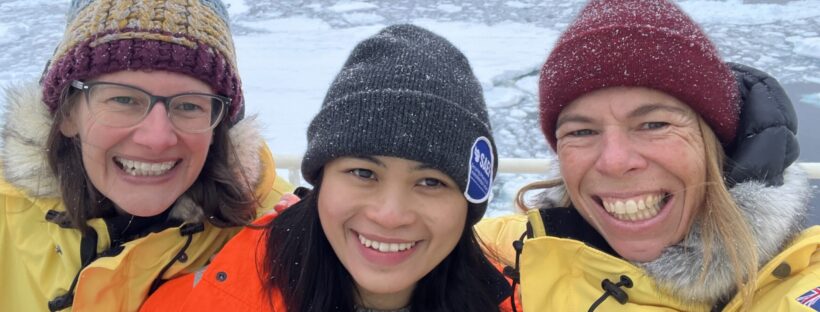
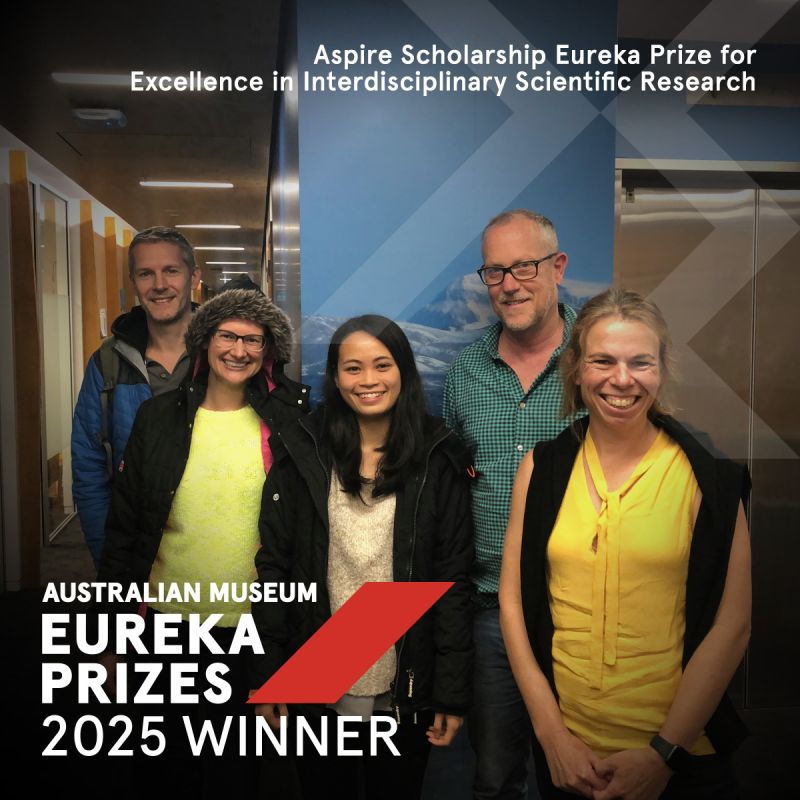
Prof. Jan Strugnell, Dr. Kat Prata and Dr. Sally Lau, the benthic animal team on the COOKIES voyage from James Cook University and Securing Antarctica’s Environmental Future (SAEF). Credit: S. Jessop
Join the expedition
The IMAS-led research on the expedition will be showcased through blogs released through the Australian Centre for Excellence in Antarctic Science and can be followed on social media at Sea2SchoolAu Facebook, Instagram, LinkedIn and the CSIRO Voyage (IN2026_V01) Page
This voyage is supported by the Australian Research Council Special Research Initiatives Australian Centre for Excellence in Antarctic Science (Project Number SR200100008), the Australian Research Council’s Discovery Projects funding scheme (DP250100886), the COOKIES GEOTRACES process study GIpr13, Horizon Europe European Research Council (ERC) Frontier Research Synergy Grants; the Italian National Antarctic Program (CNR:DSSTTA) and Securing Antarctica’s Environmental Future (SAEF) (Project Number SR200100005) and by a grant of sea time on RV Investigator from the CSIRO Marine National Facility (MNF).